
When adjusted for population growth and age, the alcohol death rate has risen by 70% from 2012 to 2022, moving from 7.97 to 13.53 deaths per 100,000 people. Although deaths fell somewhat in 2022, they remain far higher than a decade ago. From 2012 to 2019, the year over year rise in deaths rates averaged about 4% per year, and then jumped during early pandemic years, with the biggest rise from 2019 to 2020. Other data mirror this trend – emergency department (ED) visits for SUD are on the rise and account for twice the number of ED visits compared to opioids. Alcohol related ED visits account for nearly half of all SUD related visits (45%), far higher than the next highest group, opioids, accounting for 13% of ED visits.
- Someone with a smaller body may experience the effects of alcohol more rapidly than someone with a larger body.
- The IV form may decrease the length of the hospital stay and may be tolerated better by the patient, as the oral form tastes and smells like rotten eggs.
- According to the Centers for Disease Control and Prevention (CDC), approximately 38 million adults in the U.S. engage in binge drinking, and over 50% of alcohol-related deaths are attributed to binge drinking episodes.
- It can be hard to decide if you think someone is drunk enough to need medical help.
Statistics indicate Georgia has a higher rate of underage drinkers than the majority of states. Join our email list for regular updates based on your personal preferences. A person can usually tell when they are intoxicated, but it may be challenging to spot the signs in others. Here’s how to know when you need medical help for alcohol detox, plus tips to make sure you’re detoxing as safely and effectively as possible. Keep your profile updated with photos, videos, services, and contact details to connect with the right people. Recovery.com uses a standard procedure to make sure treatment provider profiles on our site are current and complete.
Alcohol Abuse & Children
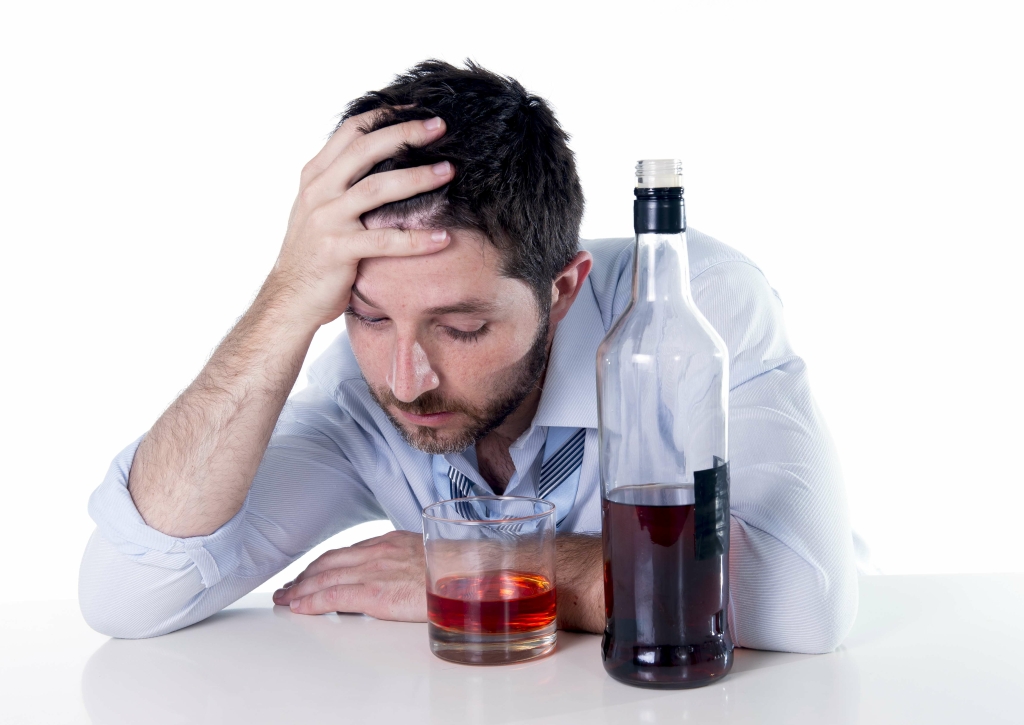
Having a high tolerance for alcohol or drinking quickly (for example, by playing drinking games) can put you at increased risk for an alcohol overdose. Many people consume alcohol because it has a relaxing effect, and drinking can be a healthy social experience. But consuming large amounts of alcohol, even one time, can lead to serious health complications. For a man, binge drinking is when you have five or more drinks in less than 2 hours. Teens and college-age adults https://modtera.com/goodbye-letter-to-addiction-worksheet-2/ are most likely to engage in binge drinking. As your body digests and absorbs alcohol, the alcohol enters your bloodstream.
Postoperative and Rehabilitation Care
Florida has an elevated alcohol-related death rate but one of the lowest rates of under-21 deaths. Death from excessive alcohol use is on the rise in Colorado, catching up to national averages, and the rate of binge drinkers is high. California sees the nation’s highest number of alcohol-related deaths but has a low rate of underage drinking. Alabama has the third-highest rate of under-21 deaths related to excessive alcohol use.
General considerations for management of an intoxicated pregnant woman in the emergency setting are presented in Table 7. A related issue is the consumption of substances or presentation with substance intoxication when the patient intends to kill themself. This may be a presenting feature in patients with overdose of opioids or sedative-hypnotics. Sometimes, patients may also consume large amounts of alcohol when they have an intent to die. Thus, self-harm should be considered as a possibility when patients present with substance intoxication, and suitable assessment measures should ascertain risk to self and the presence of concurrent psychiatric disorder.
Excessive alcohol use includes:

BAC for alcohol overdose is above 0.30%, with levels above 0.40% considered life-threatening. At these BAC levels, alcohol toxicity begins to suppress vital bodily functions such as breathing, heart rate, and temperature regulation, leading to unconsciousness or death. Alcohol overdose, also known as alcohol poisoning, occurs when excessive alcohol consumption overwhelms the body’s ability to process ethanol, leading to toxic effects. The National Institute on Alcohol Abuse and Alcoholism (NIAAA) states in its “Alcohol Poisoning and Overdose” report, published in 2022, that only 30% of alcohol poisoning deaths are related to alcoholism, and only 3% involve other drug use.
Skin Care
The United States Food and Drug Administration now requires a lower dose of acetaminophen in all combination products. The National Institute on Alcohol Abuse and Alcoholism (NIAAA) defines binge drinking as a pattern of drinking alcohol that brings alcohol overdose blood alcohol concentration (BAC) to 0.08%—or 0.08 grams of alcohol per deciliter—or higher. Many factors may have contributed to these increases in alcohol-related deaths. These include the availability of alcohol, increases in people experiencing mental health conditions, and challenges in accessing health care. During this time, medical supervision is essential to monitor vital signs, as the risks of respiratory depression and organ failure remain high.
We believe everyone deserves access to accurate, unbiased information about mental health and recovery. That’s why we have a comprehensive set of treatment providers and don’t charge for inclusion. We do not and have never accepted fees for referring someone to a particular center. Providers who advertise with us must be verified by our Research Team and we clearly mark their status as advertisers.
How can I prevent alcohol poisoning?
The effects of alcohol poisoning are severe dehydration, brain damage, respiratory depression, and liver damage. Prolonged alcohol poisoning leads to coma or death due to the suppression of critical bodily functions, including breathing and heart rate. Yes, alcohol addiction increases the risk of alcohol poisoning due to the development of a higher tolerance and more frequent binge drinking episodes. Chronic alcohol use leads to an elevated tolerance, causing individuals to consume large amounts of alcohol over a shorter period without feeling immediate effects, which significantly raises the risk of overdose. An alcohol overdose, also called alcohol poisoning, is a life-threatening condition caused by excessive ethanol in the bloodstream that disrupts vital functions such as breathing, heart rate, and body temperature. Teenagers and young adults who drink may be at particular risk for alcohol overdose.
Is there a lethal BAC?
Men are more likely than women to drink heavily, resulting in a greater risk for an alcohol overdose. Young adults are more likely to drink excessively, leading to an alcohol overdose. Effective treatment includes a combination of evidence-based therapies such as cognitive-behavioral therapy (CBT) and contingency management (CM).
Each individual’s reaction to alcohol varies based on factors like body weight, metabolism, hydration, age, and overall health. However, consistently reaching a BAC of 0.30% or higher places someone at a very high risk of alcohol poisoning. Alcohol deaths in 2022 were highest among people aged 45 to 64, males, people living in rural areas, and AIAN people.
- But it can also occur due to non-beverage alcohol (ethanol), which is in things like mouthwash, cologne and cough medicine.
- Keep in mind that some overdoses can result from mixing two or more dangerous substances, such as those mentioned above.
- Knowing the signs of an alcohol overdose is important to keep yourself and others safe.
- Heart disease and stroke make up the second leading cause of health failure deaths due to alcoholic consumption.
- Nurses and pharmacists play vital roles in educating patients and caregivers about the potential toxicity of acetaminophen.
If you or a friend Substance abuse are drinking, pay attention to how much you consume and how quickly. If a friend appears to be drinking too much too fast, try to intervene and limit how much more they have. Know the danger signals, and if you suspect that someone has an alcohol overdose, call 911 for help immediately. Don’t play doctor—cold showers, hot coffee, and walking do not reverse the effects of alcohol overdose and could actually make things worse. Management of cannabis intoxication in the emergency setting can be initiated with placing the patient in a dimly lit space, reassuring them, and decreasing stimulation.


